Uzbekistan
Samarkand
The fabled Gem of the Silk Road, a 2,750-year-old UNESCO city of turquoise domes and Timurid grandeur.
Best seasonApril–June and September–October
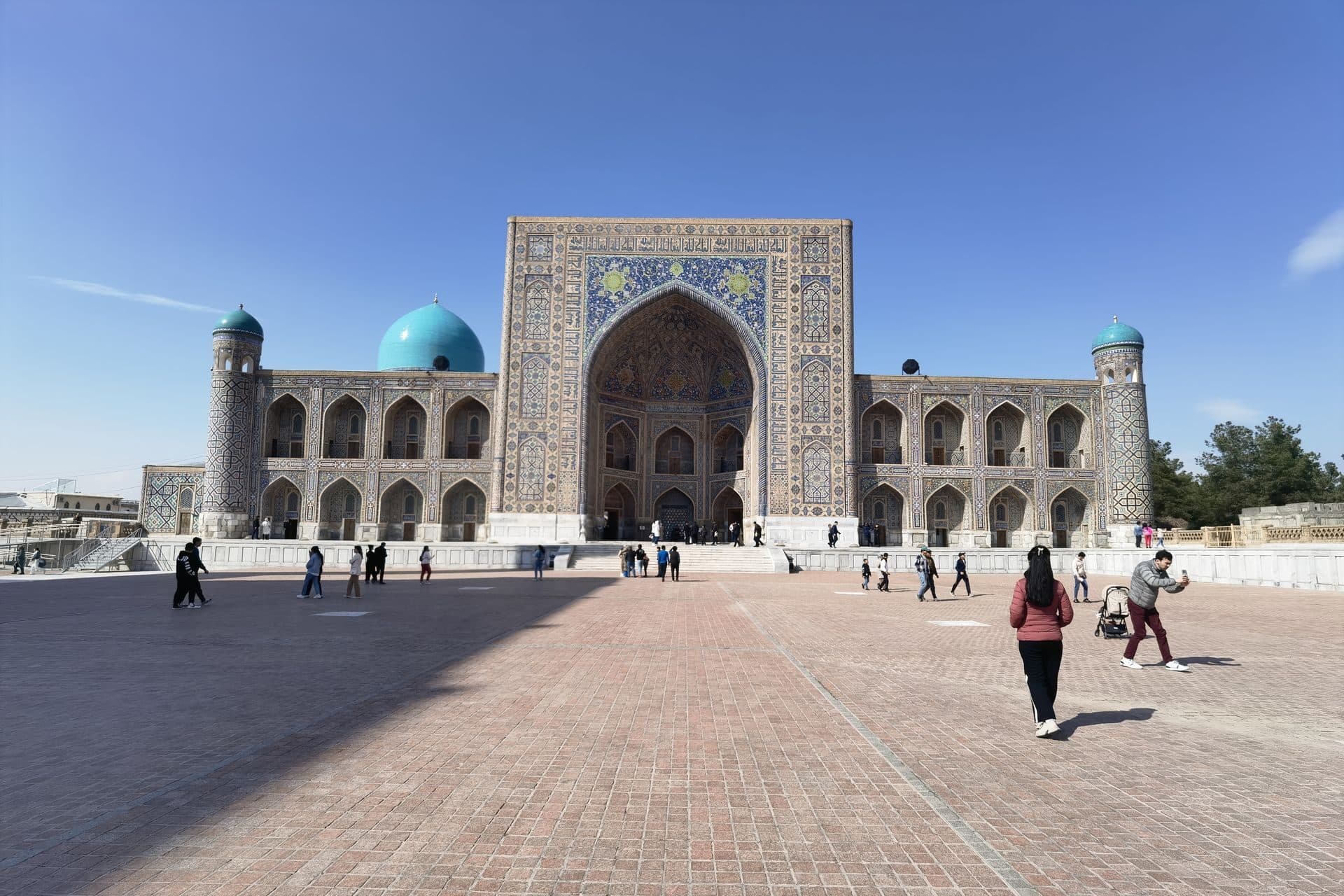
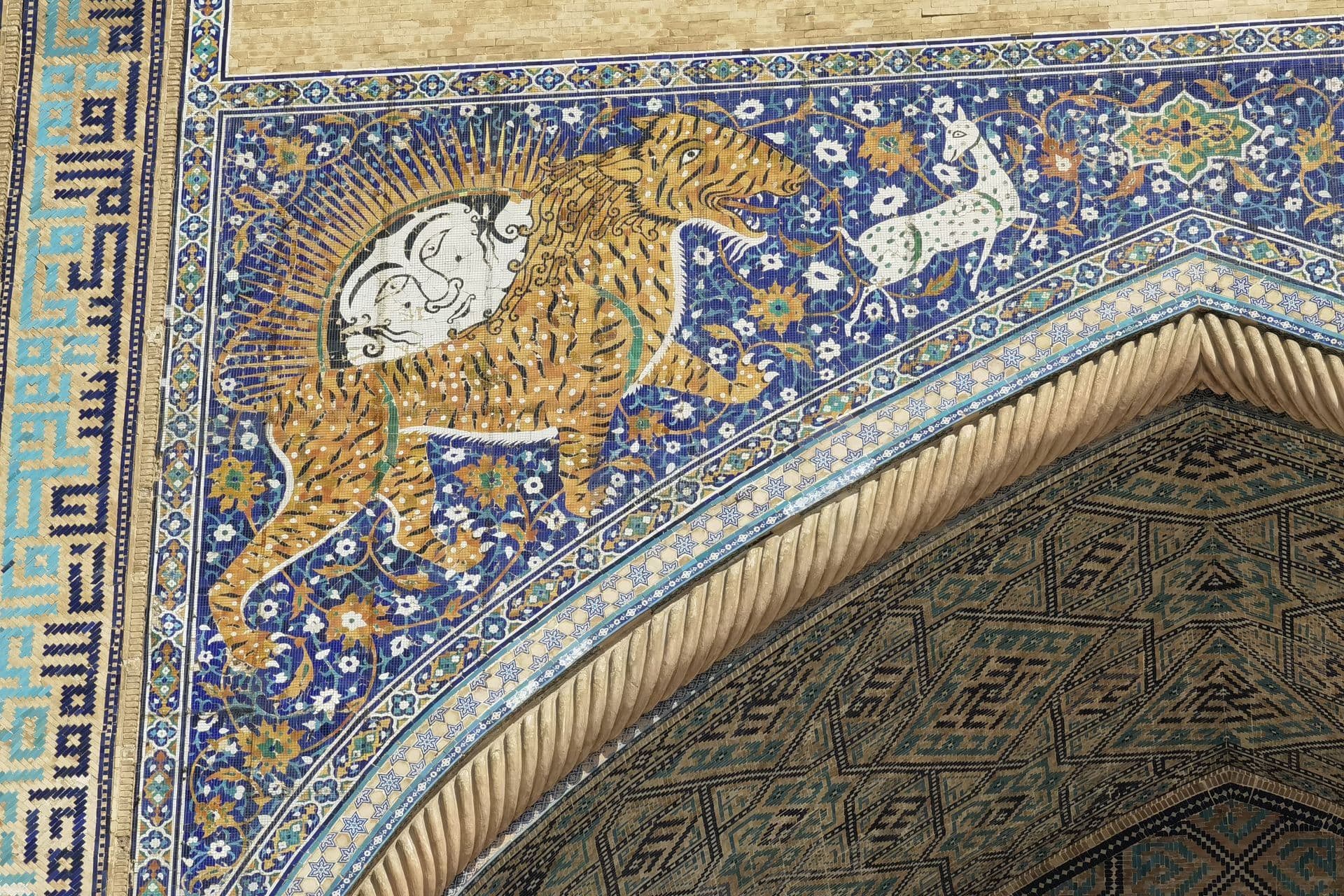
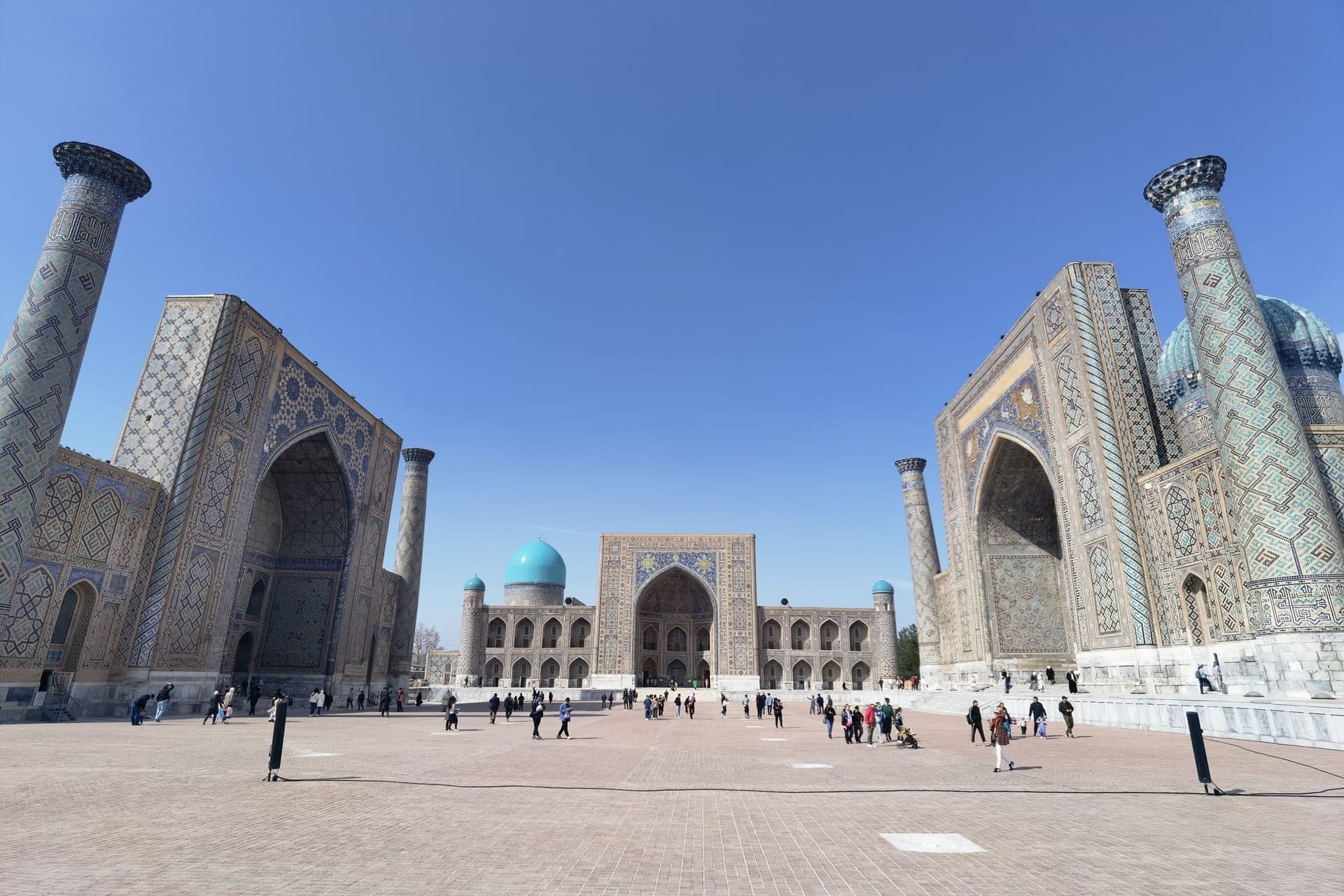
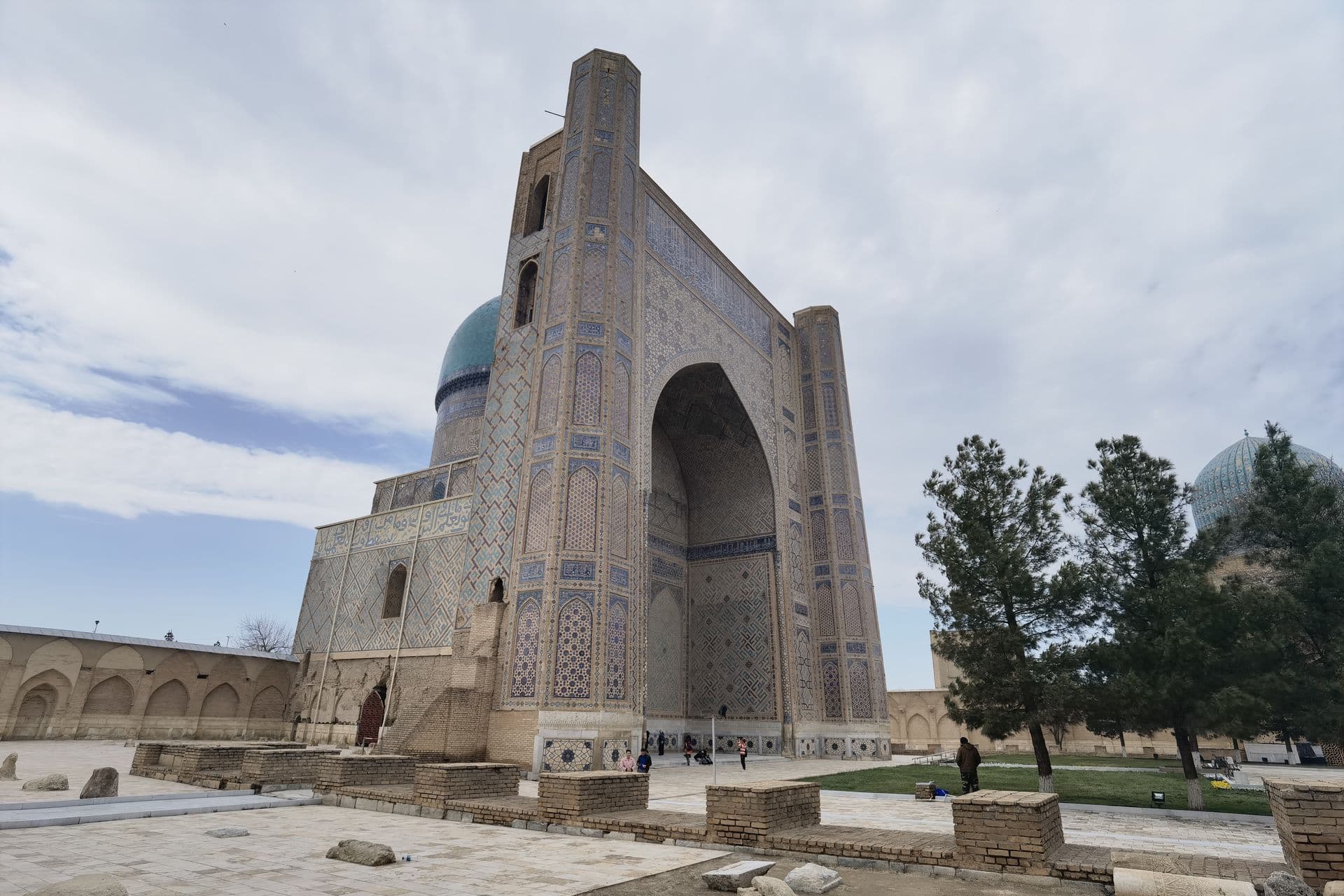
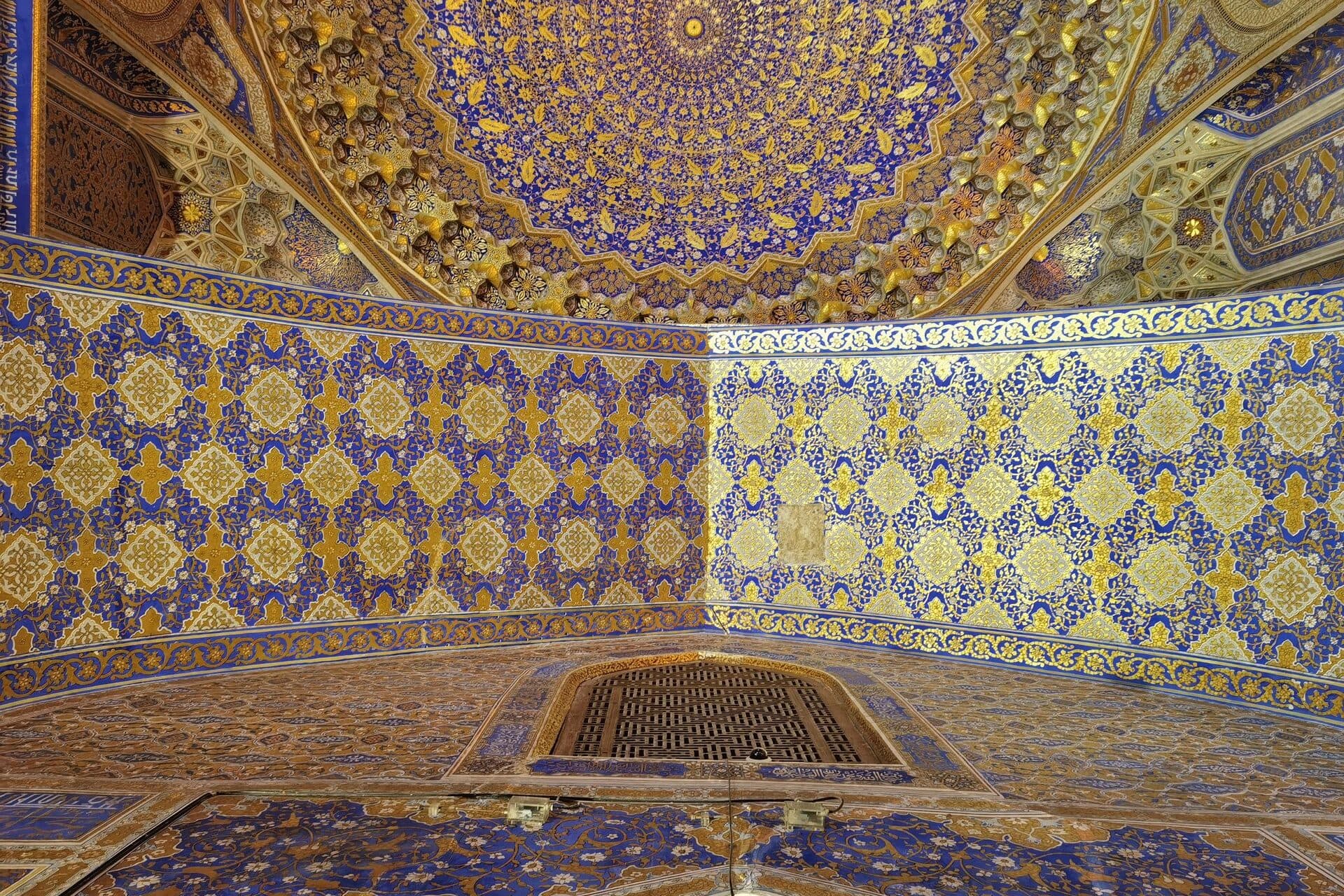
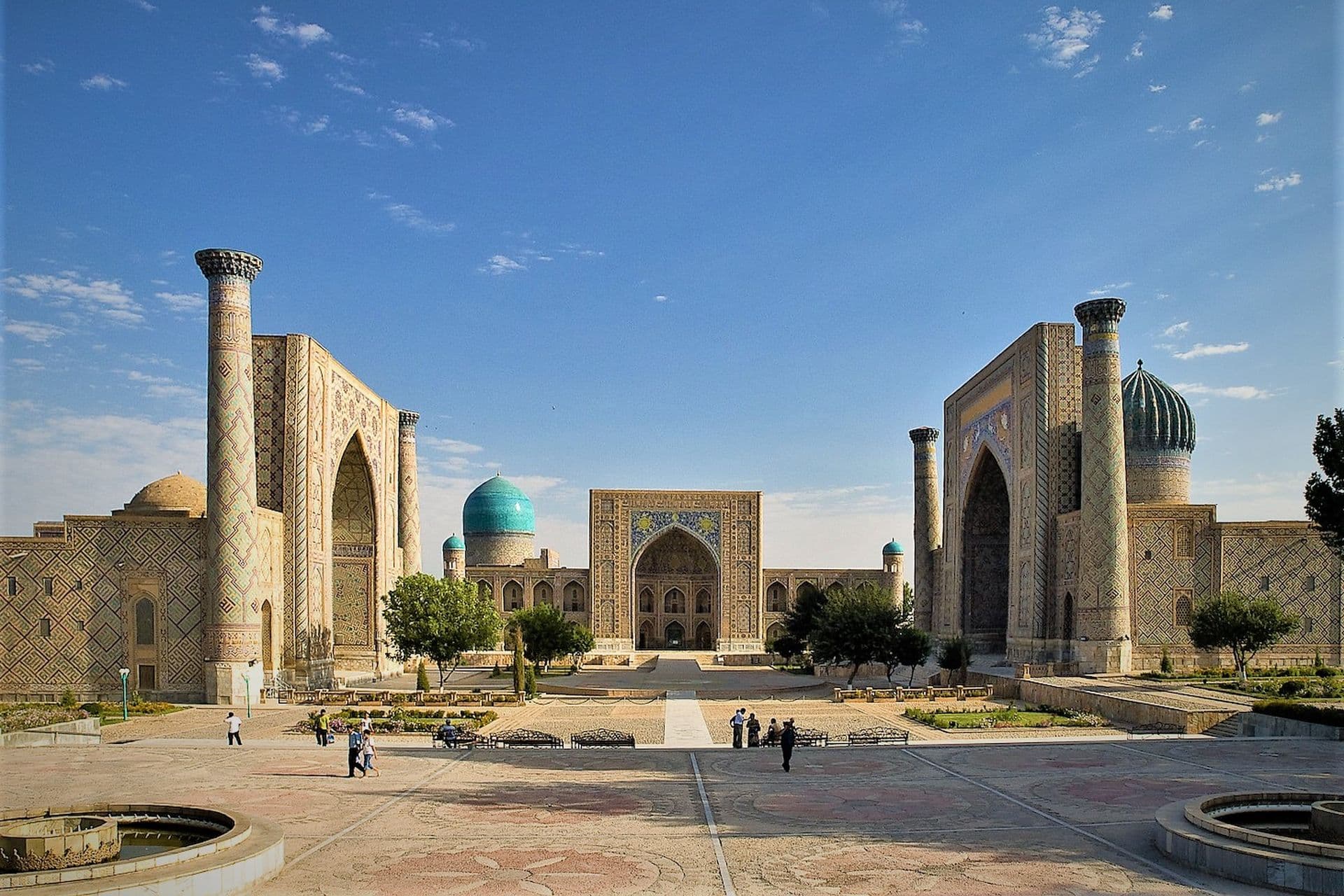
Samarkand is one of the oldest continuously inhabited cities on Earth, with a history stretching back more than 2,750 years. As a vital crossroads of the Silk Road, it grew into a meeting point for merchants, scholars and pilgrims from across Asia, Persia and beyond, leaving a legacy of cosmopolitan culture still felt in its bazaars today. The city reached its golden age in the 14th and 15th centuries under Timur (Tamerlane) and his grandson Ulugh Beg, who transformed it into a dazzling capital of art, science and Islamic architecture. The crowning achievement is the Registan, an ensemble of three monumental madrasas clad in intricate blue and gold mosaics, considered one of the greatest architectural sights of the Muslim world. Beyond the Registan, visitors can explore the colossal Bibi-Khanym Mosque, the ribbed turquoise dome of the Gur-e Amir mausoleum where Timur himself is buried, and the breathtaking avenue of tombs at the Shah-i-Zinda necropolis. The remains of Ulugh Beg's 15th-century observatory recall Samarkand's role as a center of medieval astronomy. Today a UNESCO World Heritage Site, Samarkand blends this ancient grandeur with a lively modern city. Traditional crafts such as ceramics, silk weaving and the famous Samarkand paper continue to thrive, while colorful bazaars, teahouses and cultural festivals keep the spirit of the old Silk Road alive.
Gallery