Lebap Region, Turkmenistan
Lebap
Turkmenistan's eastern province along the Amu Darya, home to dinosaur footprints, desert reserves and a Silk Road caravanserai.
Best seasonApril–June and September–October
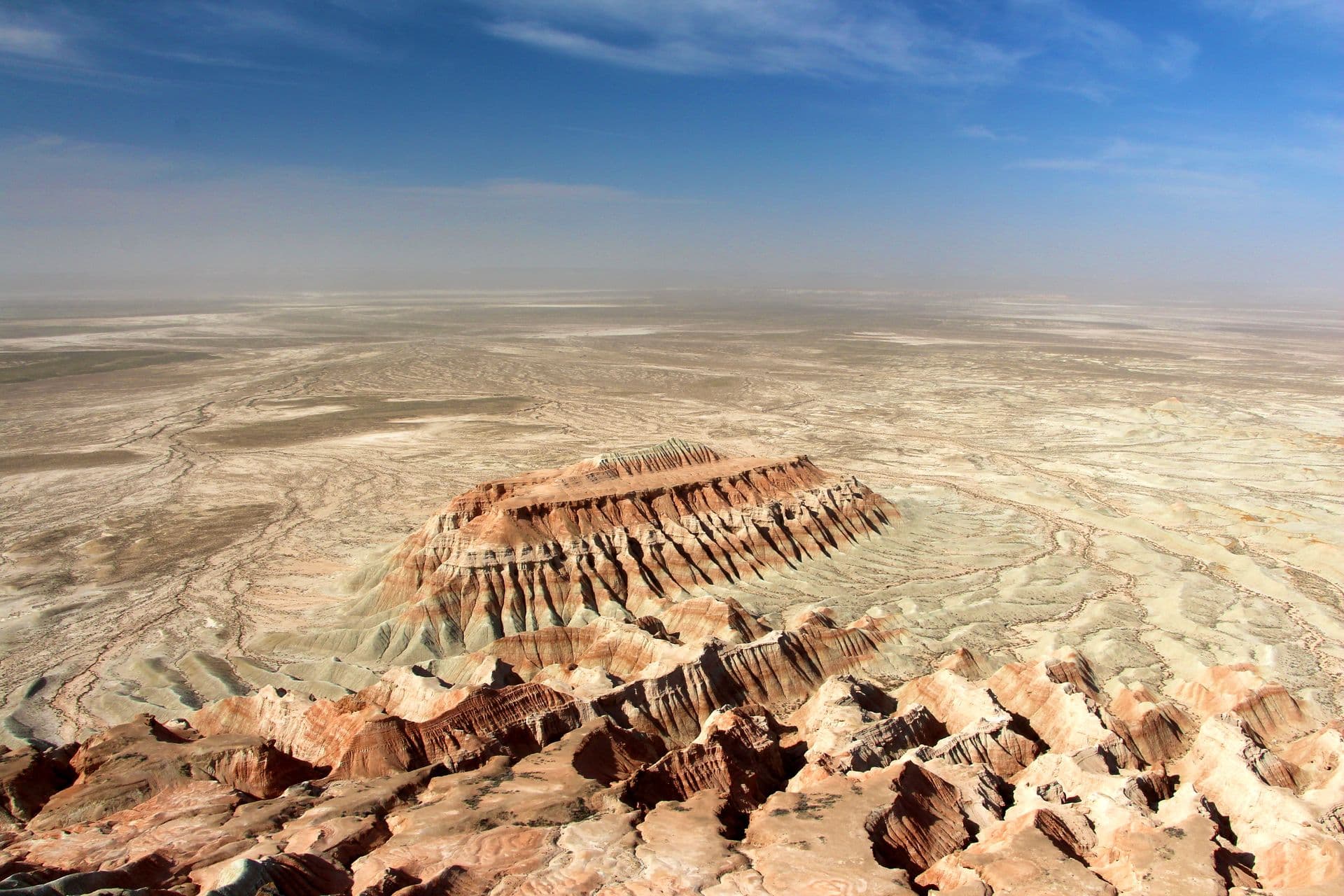
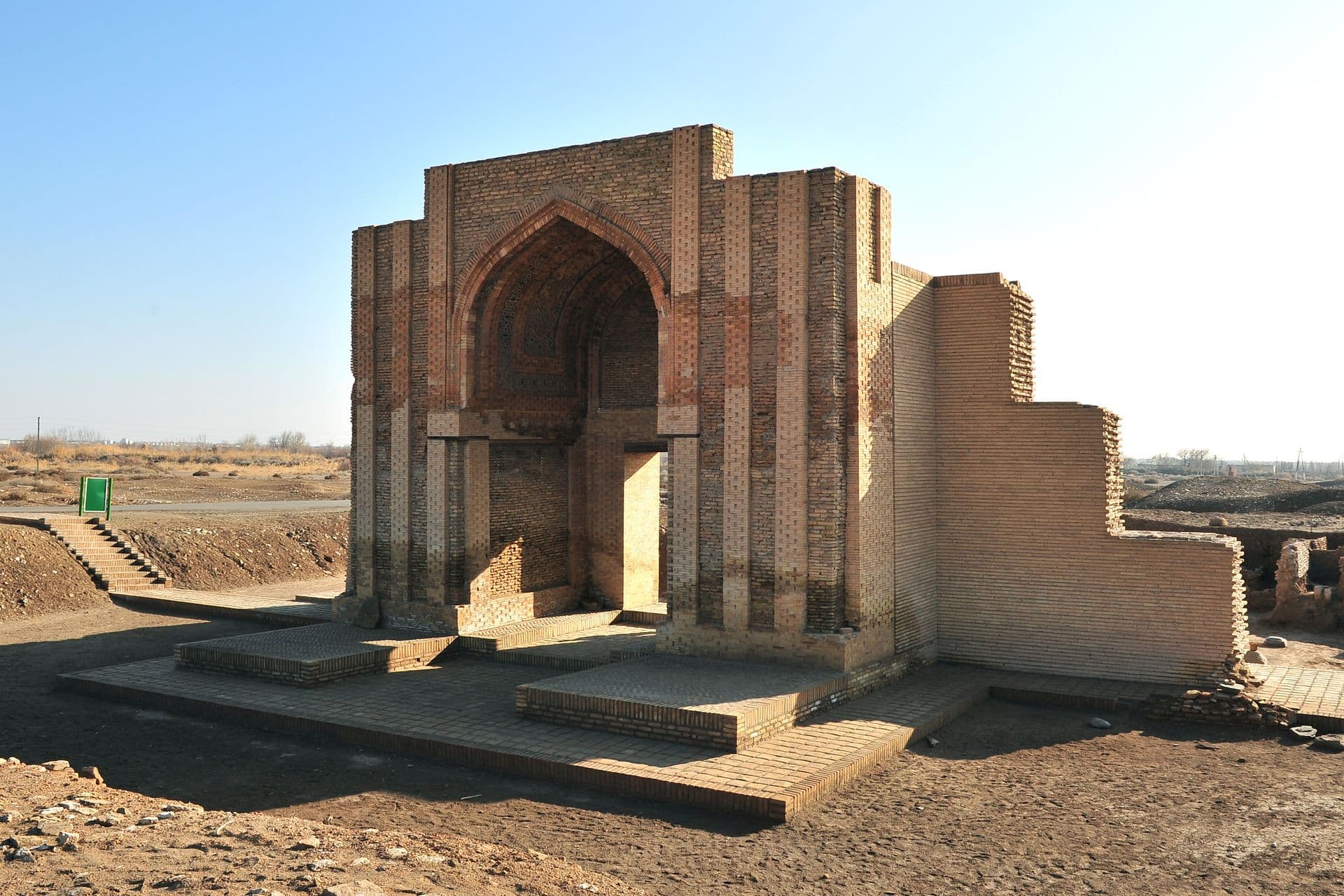
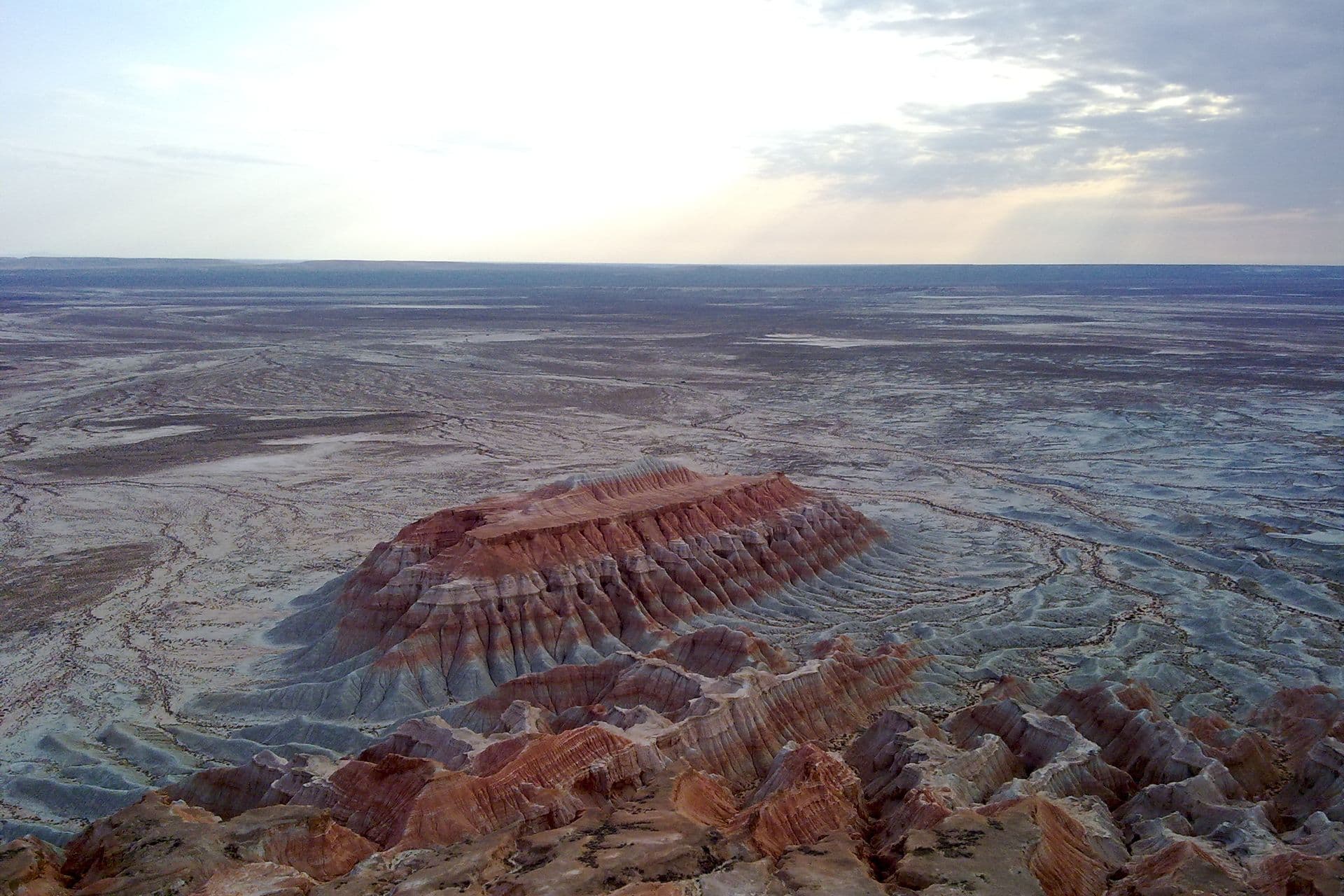
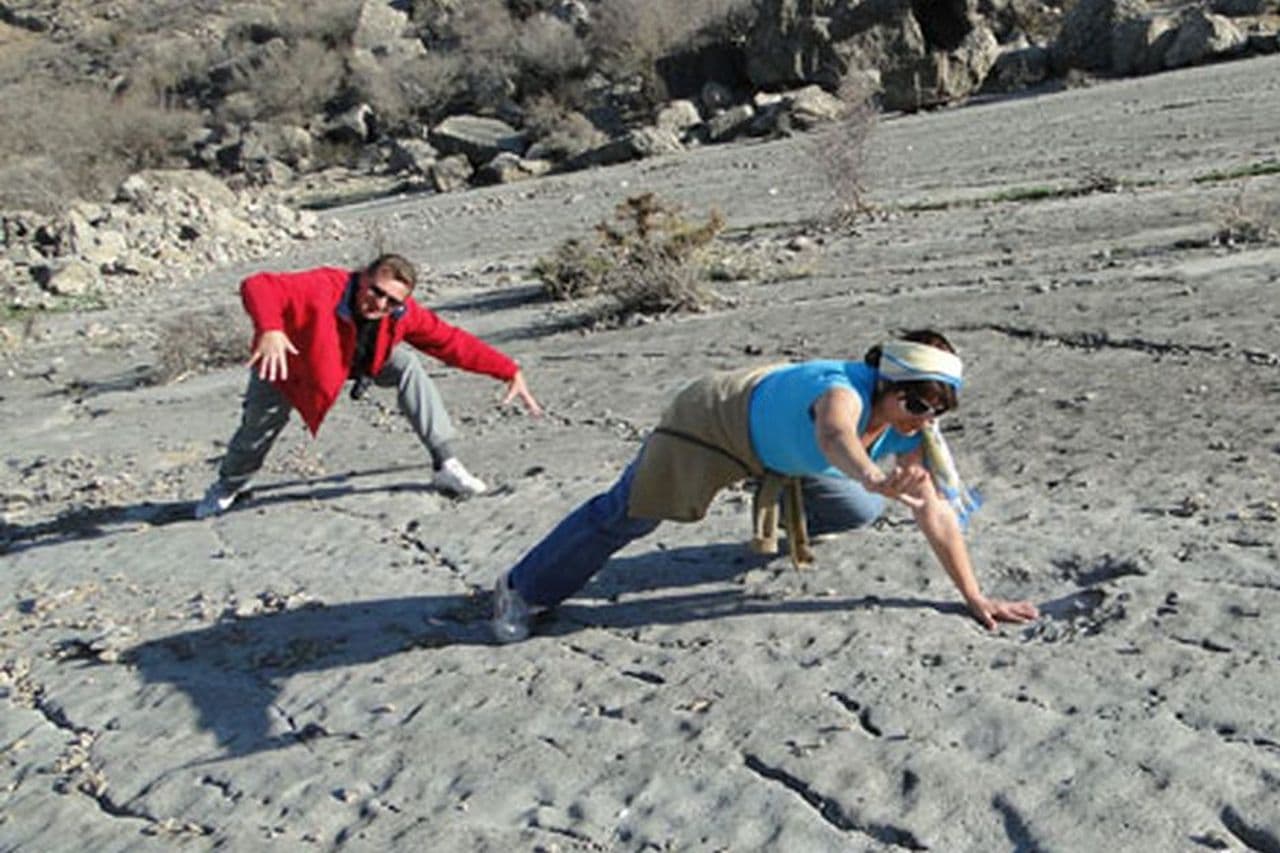
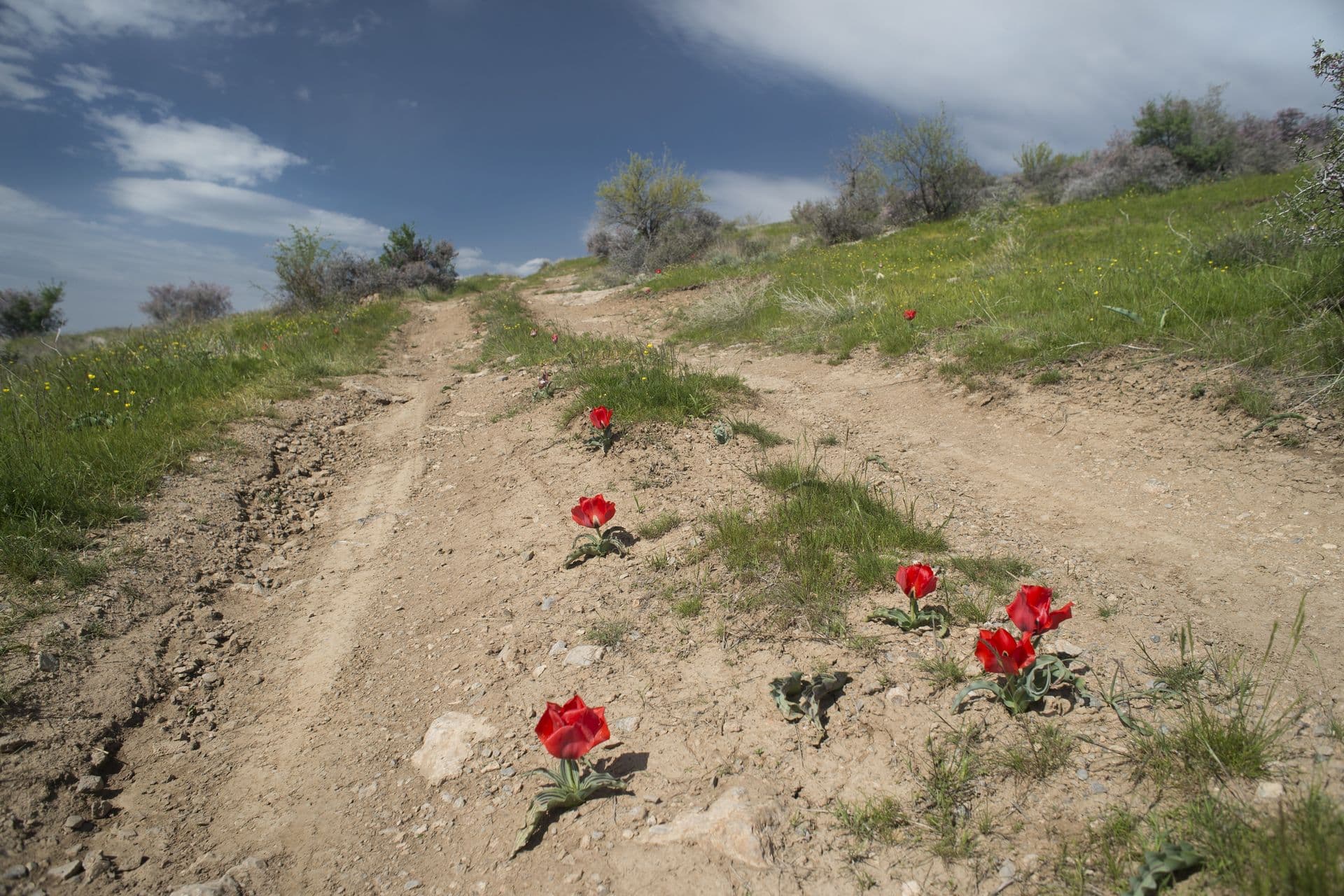
Lebap stretches along the middle course of the Amu Darya in eastern Turkmenistan, its name derived from the Persian Lab-ab, meaning 'river bank'. The administrative centre is Turkmenabat (the historic Charjou), and the region blends Karakum desert, fertile river oases and the rugged Koytendag Mountains on the border with Uzbekistan. The region's star attraction is the Koytendag Nature Reserve, famous for its 'Dinosaur Plateau', where more than 400 Jurassic dinosaur footprints are preserved in fossilised mud. The reserve also shelters the dramatic Umbar Dere canyon with its 28-metre waterfall, the Kyrk Gyz ('Forty Maidens') canyon, the sulphur spring of Kainar Baba, and a labyrinth of karst caves such as Kutan, hung with calcite, gypsum and aragonite formations. Above it all rises Ayrybaba (3,137 m), the highest peak in Turkmenistan. Lebap also guards remarkable monuments of the Silk Road. The Daya Khatyn caravanserai, built in the 10th century, is a masterpiece of medieval Khorasan architecture, while the Astan-Baba Mausoleum near Kerki remains an important pilgrimage site. In the southeast lies the Repetek Biosphere Reserve, protecting a pristine corner of the Karakum's black-saxaul desert and its rare wildlife. A land of melons, tulip-covered foothills and ancient ruins, Lebap rewards travellers seeking nature, geology and living Silk Road history away from the usual tourist trail.
Gallery