Turkmenistan
Gonur Depe
The cradle of the ancient Margiana civilization, a Bronze Age sacred city buried in the Karakum sands near Mary, dating back to the 3rd–2nd millennia BC.
Best seasonApril–June and September–October
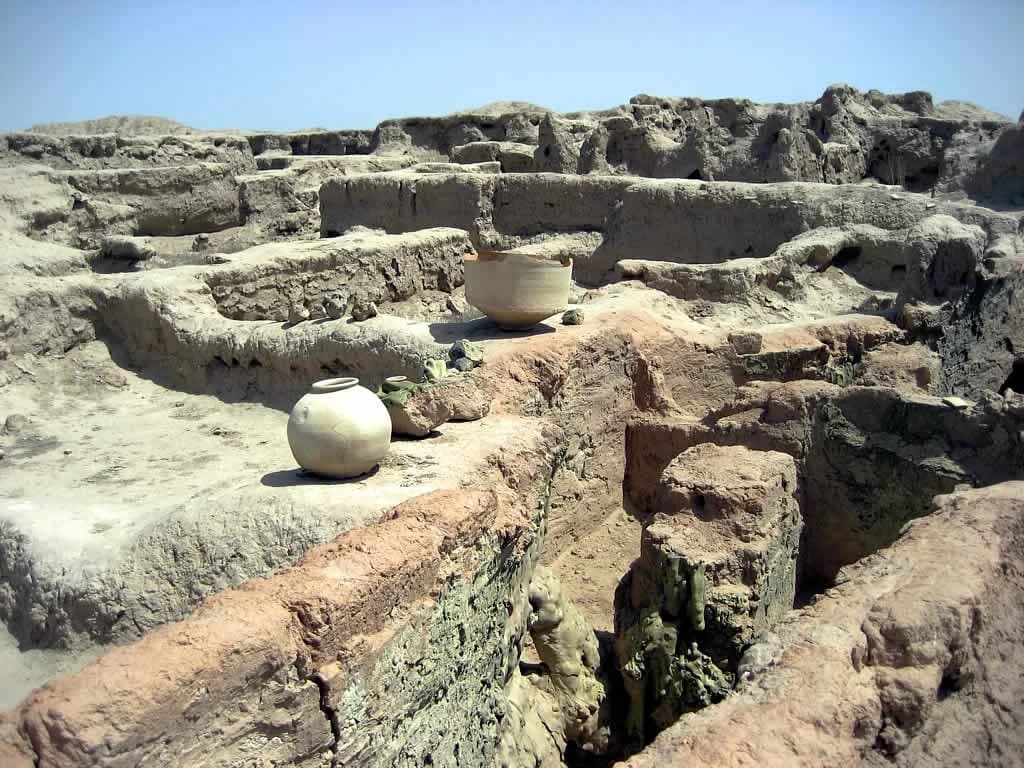
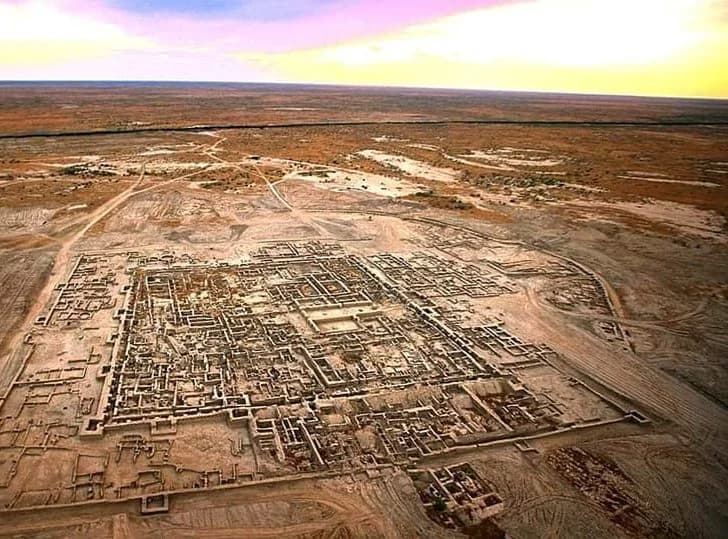
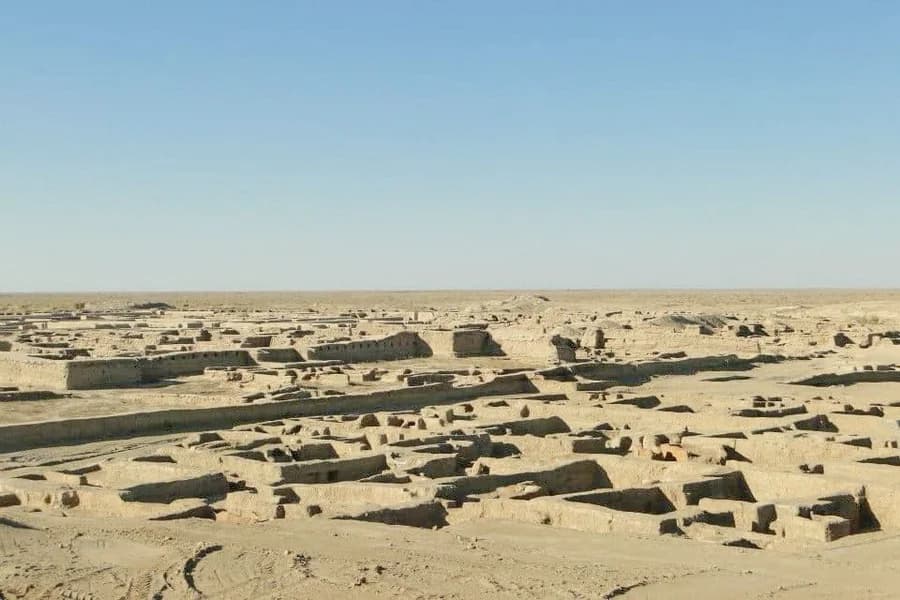
Gonur Depe – Cradle of the Ancient Margiana Civilization Eastern Karakum Desert | Mary Oasis, Turkmenistan Hidden beneath the sands of the Karakum Desert, just outside the oasis city of Mary, lies one of Turkmenistan's greatest archaeological treasures — Gonur Depe. Discovered in the 1990s, this ancient city dates back to the 3rd–2nd millennia BC, making it older than many of the world's most iconic civilizations. Gonur Depe — meaning "Grey Hill" in Turkmen — was once the capital of the Margiana Kingdom, a spiritual and cultural center that rivaled the grandeur of Babylon and Assyria. Sacred City of the Sands The city was built on a hill near the dry riverbed of the Murghab River. It stretched over 30–50 hectares — the true size still unknown due to ongoing excavations. Rather than a king, the city was led by a supreme priest whose authority came from faith, not force. The city had a palace, temples, and spiritual complexes — all surrounded by mighty defensive walls and ceremonial enclosures. Unique Architecture & Zoroastrian Beliefs At the heart of the city stood a fortified palace with multiple rooms, believed to be the residence of the priest-king. Around the palace were temples, each connected by sacred walls and flanked by square towers. On the southern side, a massive ceremonial pool (180m x 80m) stood, with two smaller pools to the north and west. The temple walls featured stone mosaic art, created using a rare technique where images were painted first, then covered with stone — a method found nowhere else on Earth. The city's layout and rituals show early traces of Zoroastrianism, making it a key site for understanding ancient Iranian spirituality. The Necropolis: Mystery Beneath the Sand Just east of the temple complex lies the necropolis, where archaeologists uncovered five underground tombs, built like houses with multiple rooms, and burials of elites, possibly accompanied by their servants and possessions. Artifacts include silver and gold vessels, jewelry, and mosaic fragments. A foundation pit nearby revealed a ritual sacrifice — 7 human remains, 7 dogs, 2 donkeys, and 2 camels were buried with a ceremonial chariot to help the deceased journey to the afterlife. The sacred number 7 reflects ancient symbolism shared by Zoroastrians and modern Turkmen traditions. Strange Objects Still Unexplained Polished stone balls and pistachio-shaped stones were found in the tombs. Their exact function remains unknown — possibly religious, symbolic, or ceremonial. Why Visit Gonur Depe? It is one of the most significant Bronze Age sites in Central Asia, offering a rare window into prehistoric urban life, religion, and art. It is still full of unsolved mysteries for archaeologists and historians, and is perfect for travelers who want to explore ancient civilizations, spiritual ruins, and archaeological wonders off the beaten path. Gonur Depe is a living museum of the past — a place where sands whisper stories of forgotten empires and sacred rituals. A must-see destination for history lovers, spiritual travelers, and cultural adventurers alike.
Gallery