Uzbekistan
Bukhara
An ancient Silk Road city in Uzbekistan, famed for its UNESCO-listed old town packed with minarets, madrasahs and domed bazaars.
Best seasonApril–June and September–October
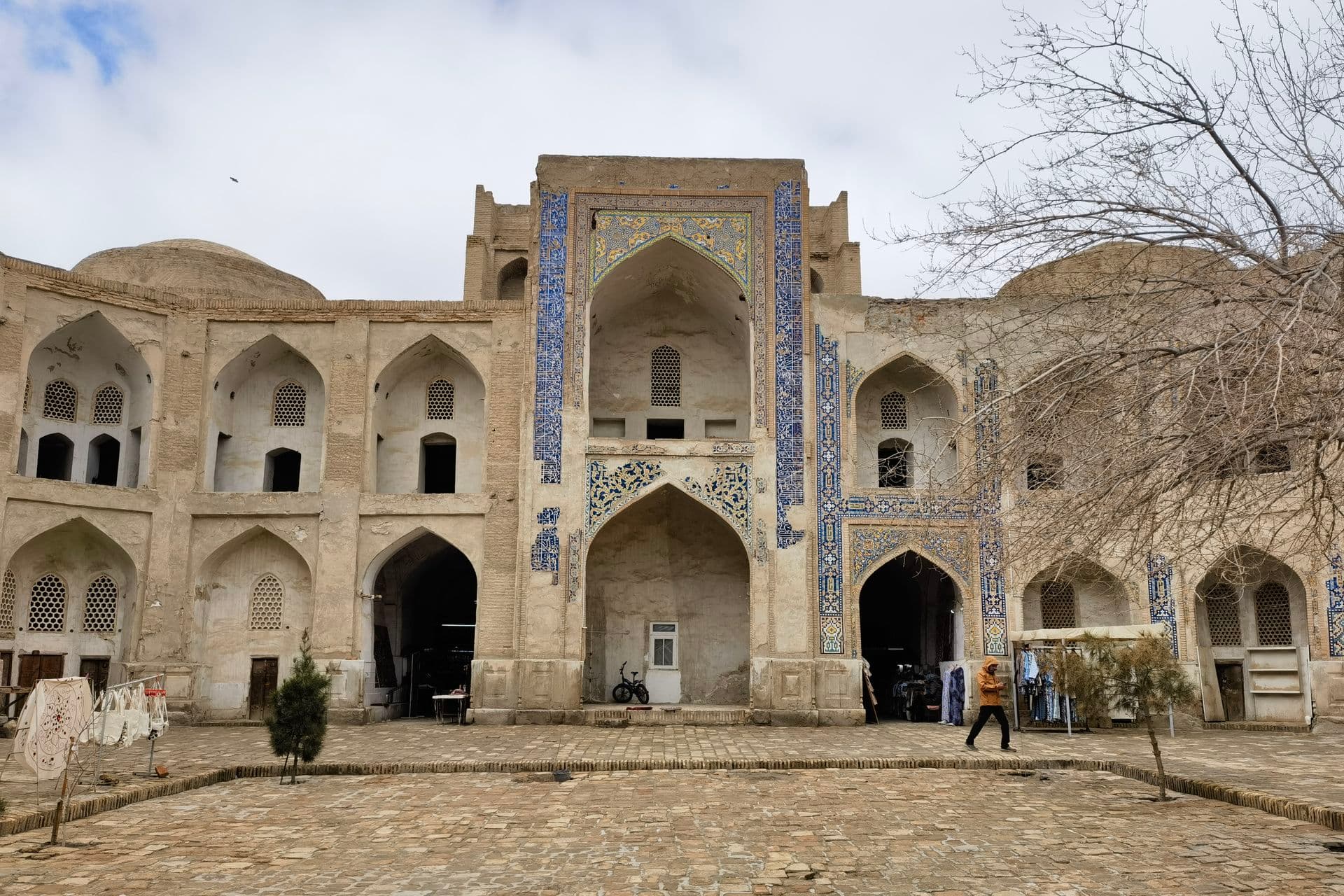
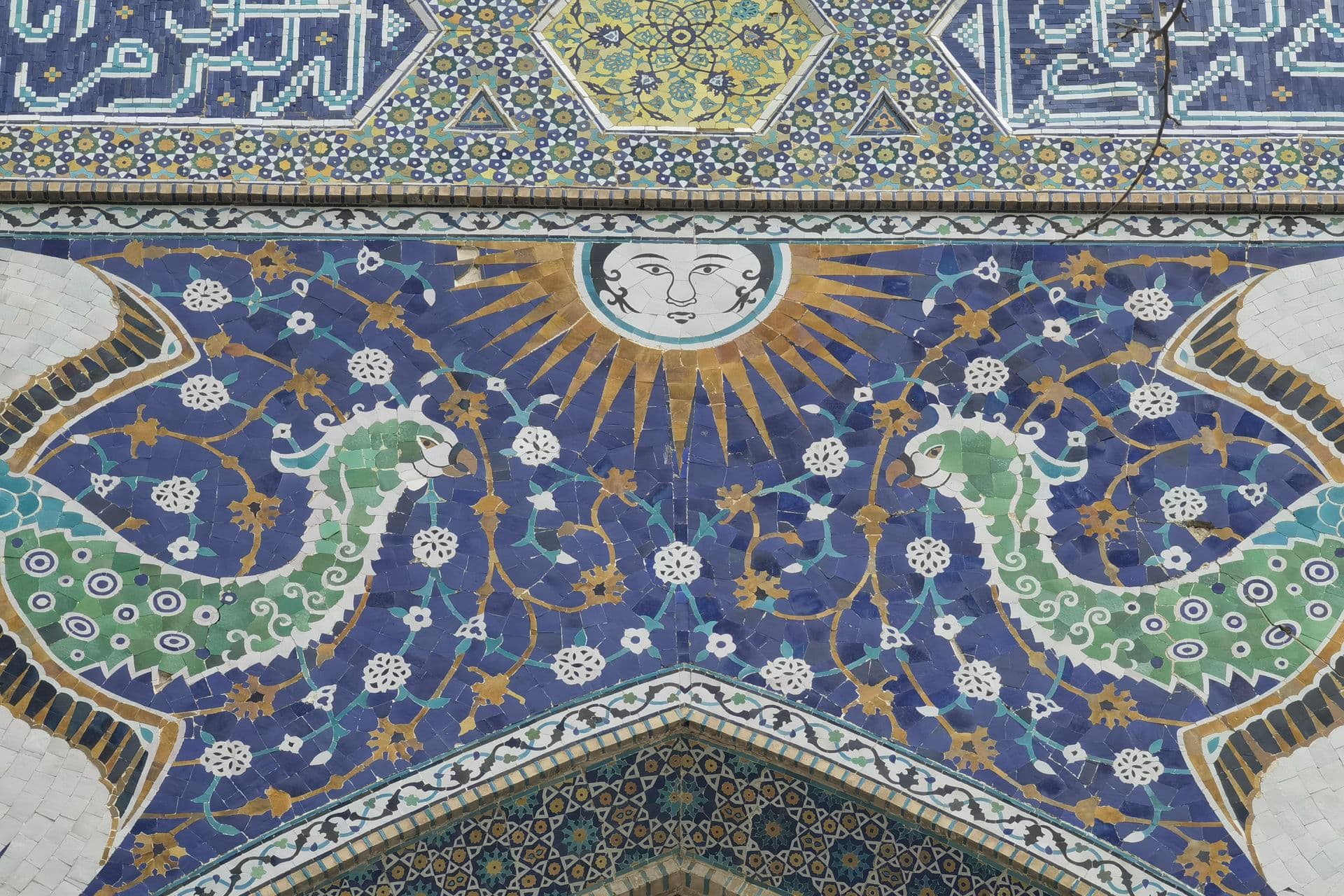
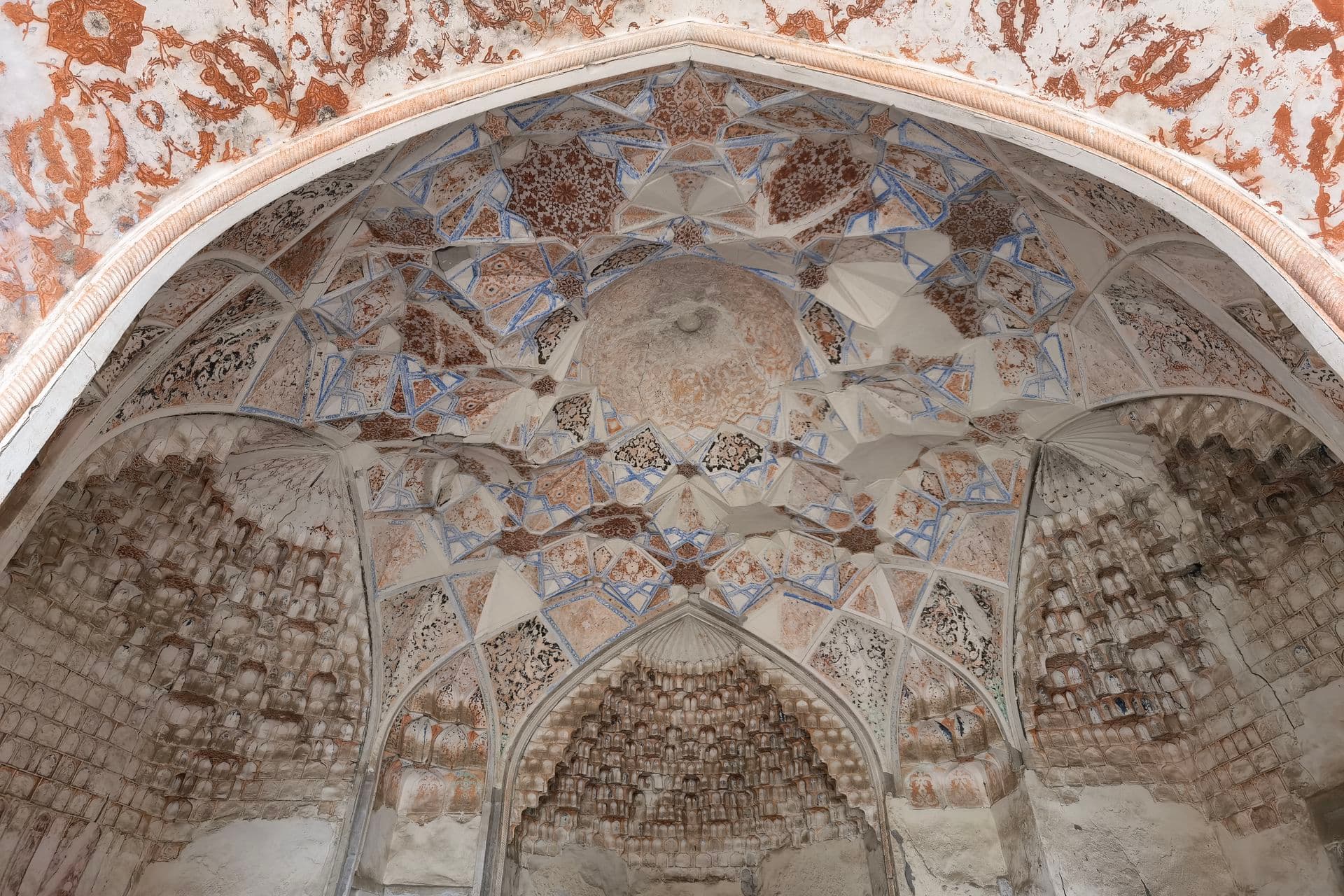
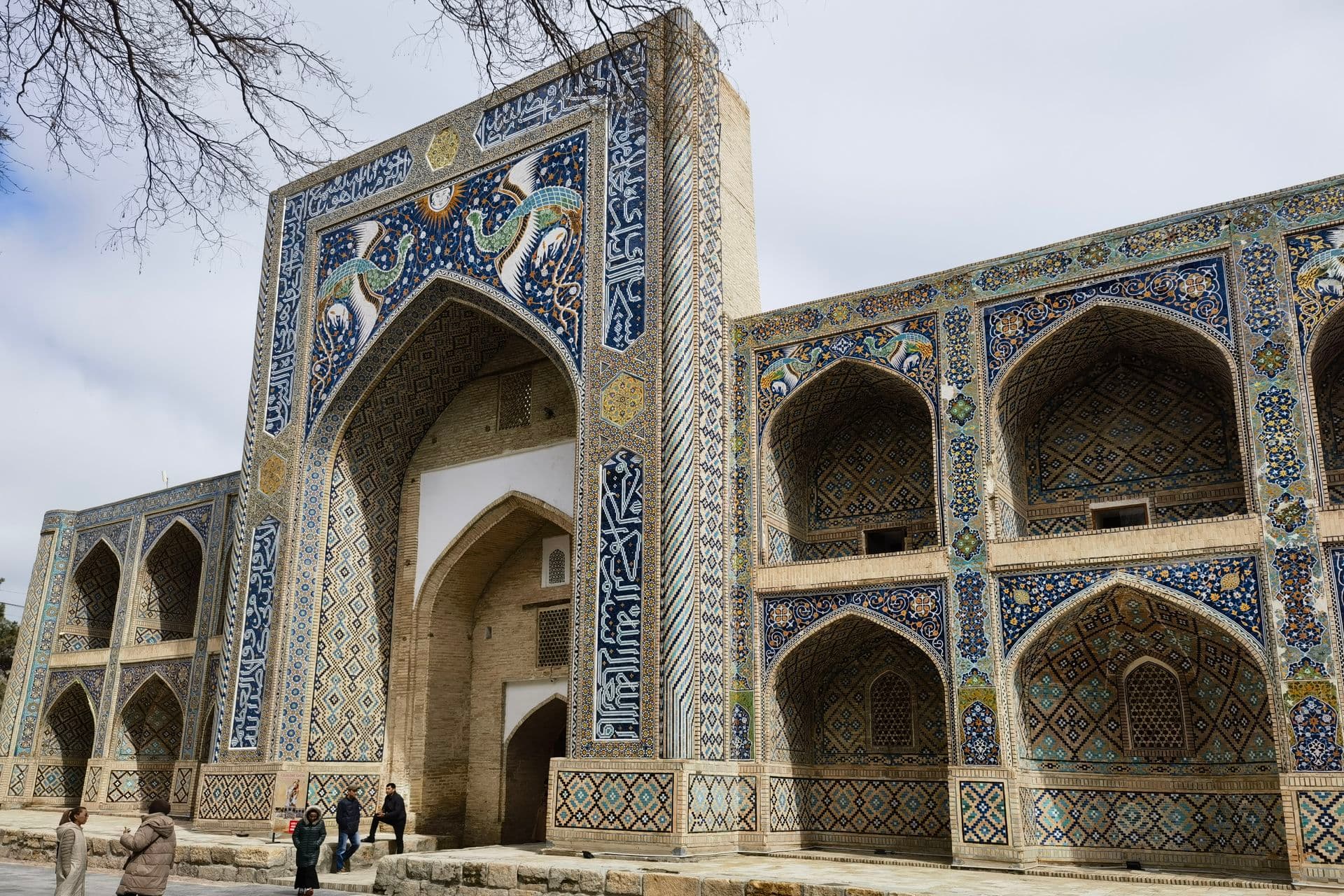
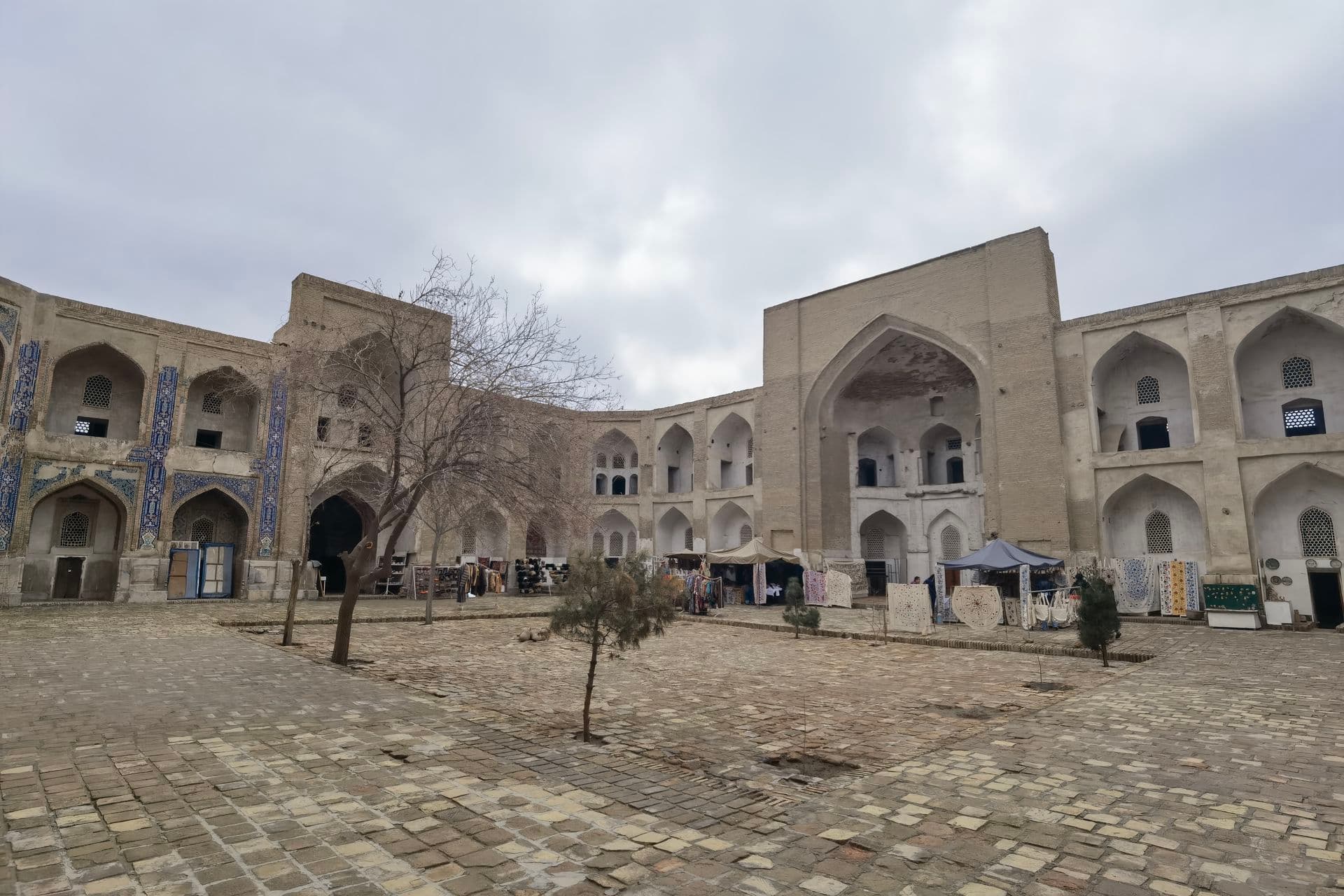
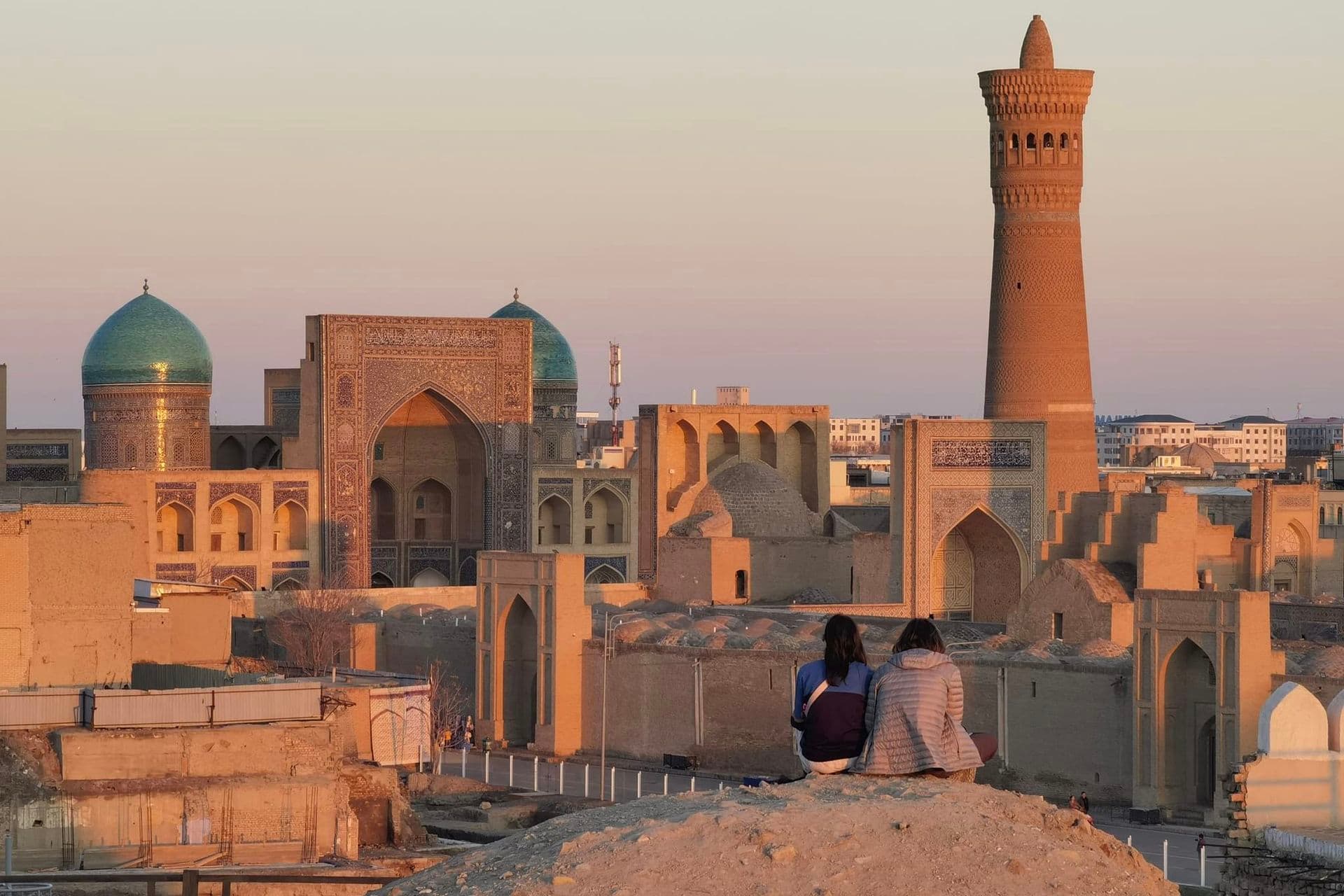
Bukhara is one of the oldest continuously inhabited cities in Central Asia, with more than two thousand years of recorded history. For centuries it was a great hub on the Silk Road, where caravans, merchants and scholars met, and it grew into one of the most important centers of Islamic learning and trade in the entire Muslim world. The heart of the city is its UNESCO World Heritage old town, a dense maze of monuments that has changed remarkably little over the centuries. Its symbol is the towering Kalon Minaret, beside the great Kalon Mosque and the still-working Mir-i-Arab Madrasah, which together form the Po-i-Kalyan ensemble. Other highlights include the massive Ark Fortress, the residence of the city's rulers; the serene Lyab-i-Hauz square set around a pool and shaded by mulberry trees; the elegant tenth-century Samanid Mausoleum; and the quirky four-towered Chor Minor. Bukhara was also a cradle of thinkers, the home of the great physician and philosopher Avicenna (Ibn Sina) and the poet Rudaki. Beneath its trading domes, craftsmen still sell carpets, ceramics, miniatures, embroidery and engraved metalwork, much as they did in medieval times. With its blue-tiled domes, narrow lanes and lively bazaars, Bukhara feels like a living open-air museum and one of the most atmospheric cities in Central Asia.
Gallery