Ahal Region, Turkmenistan
Ashgabat
Turkmenistan's gleaming white-marble capital, where Silk Road history meets monumental modern architecture at the foot of the Kopet Dag.
Best seasonApril–June and September–October
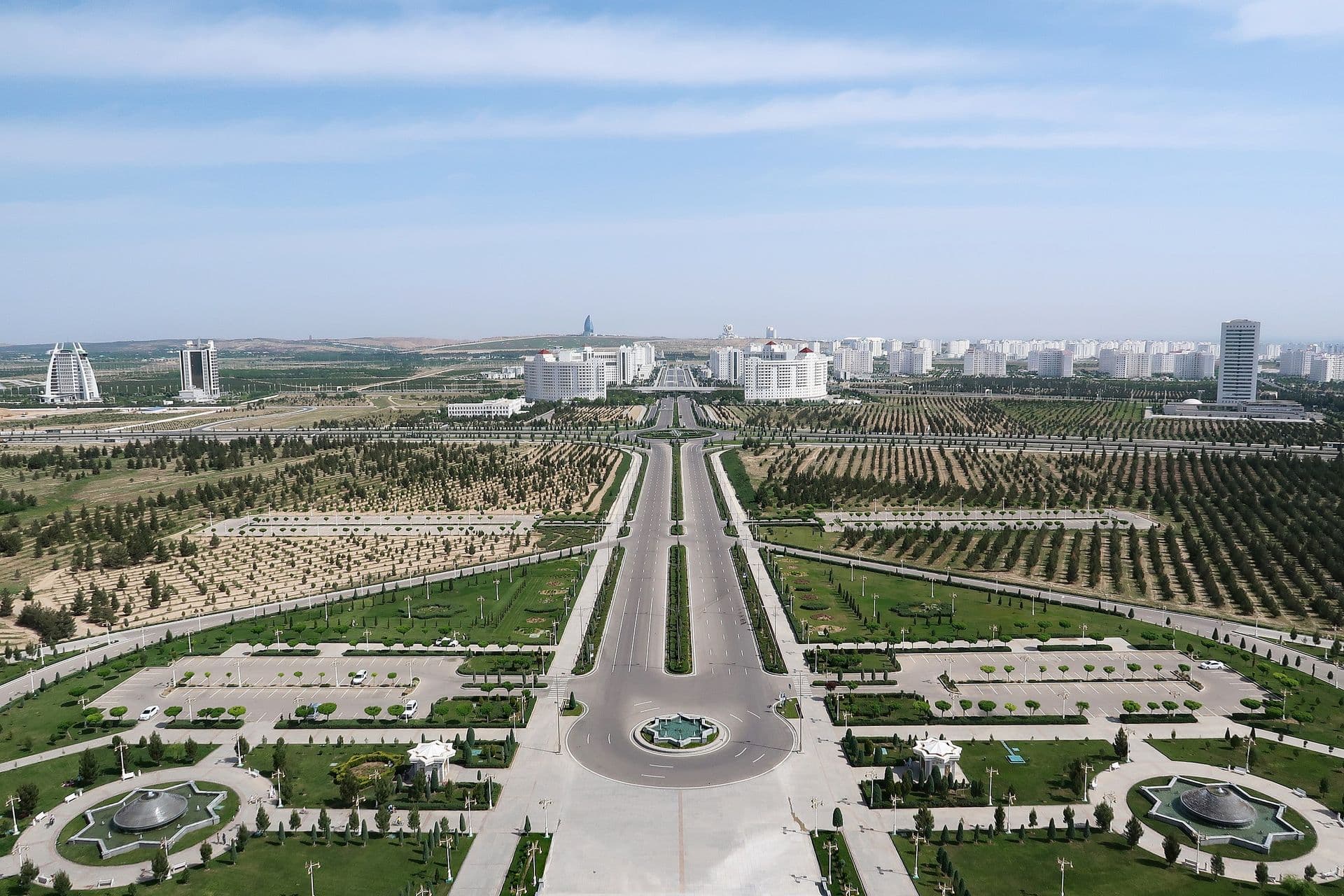
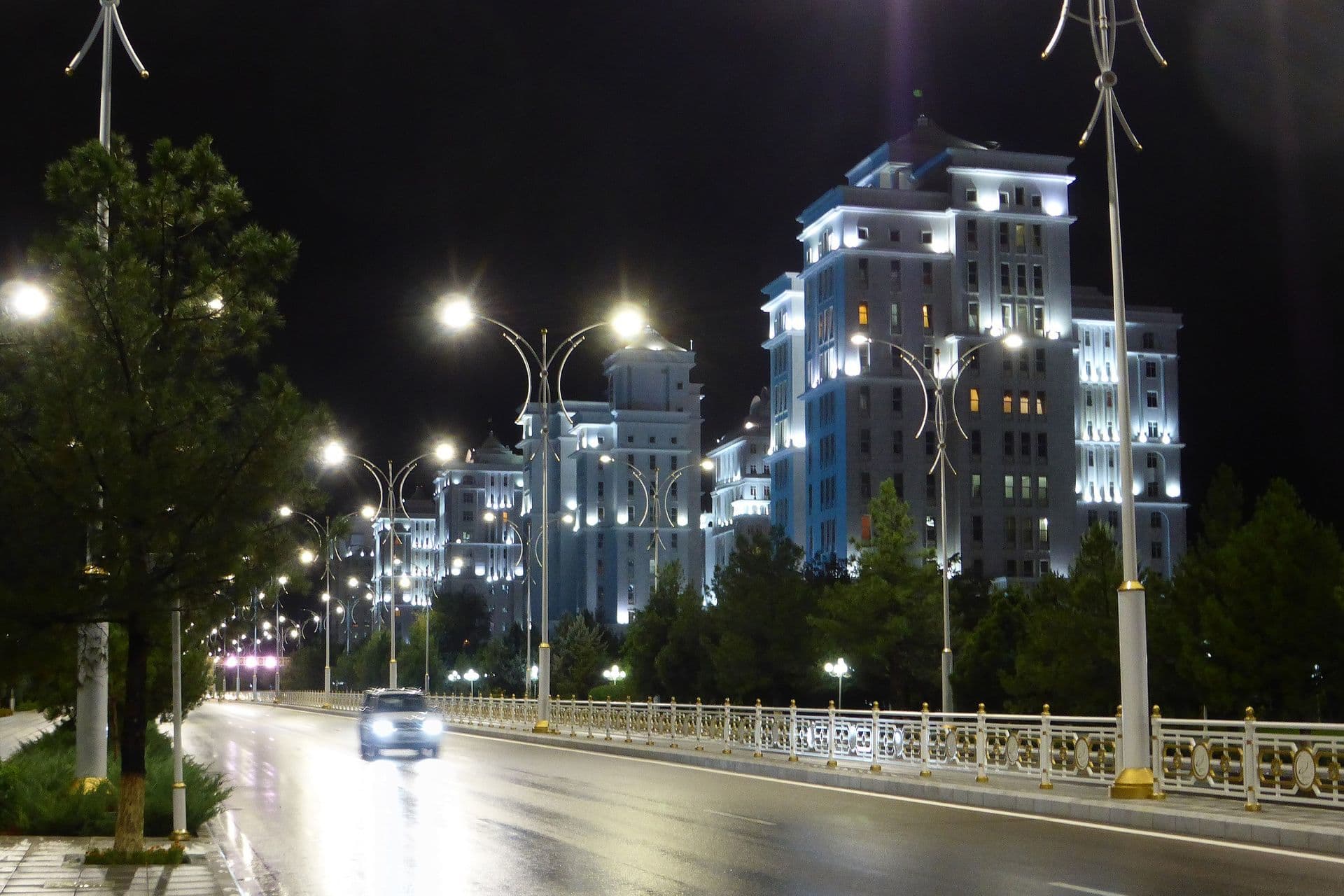
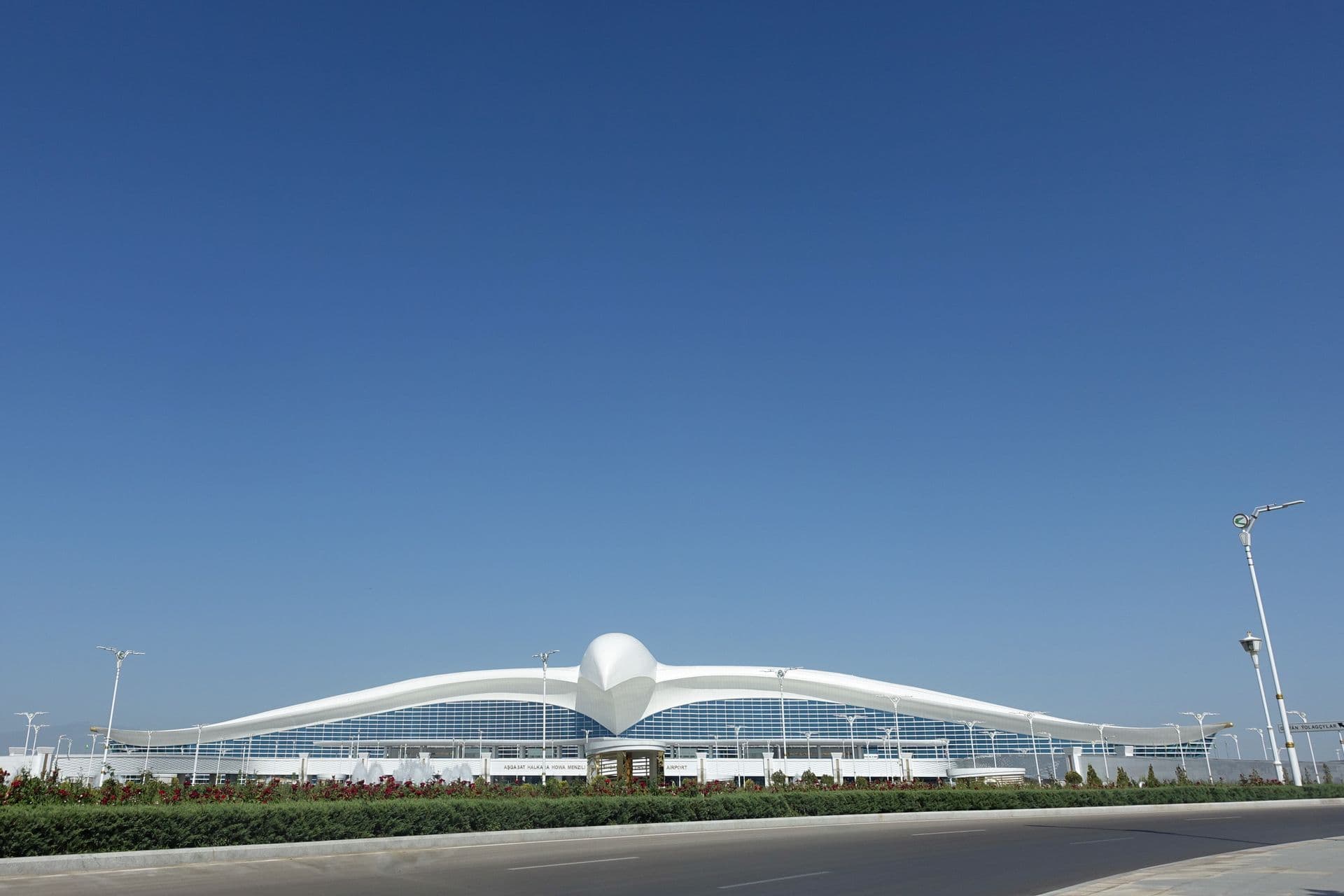
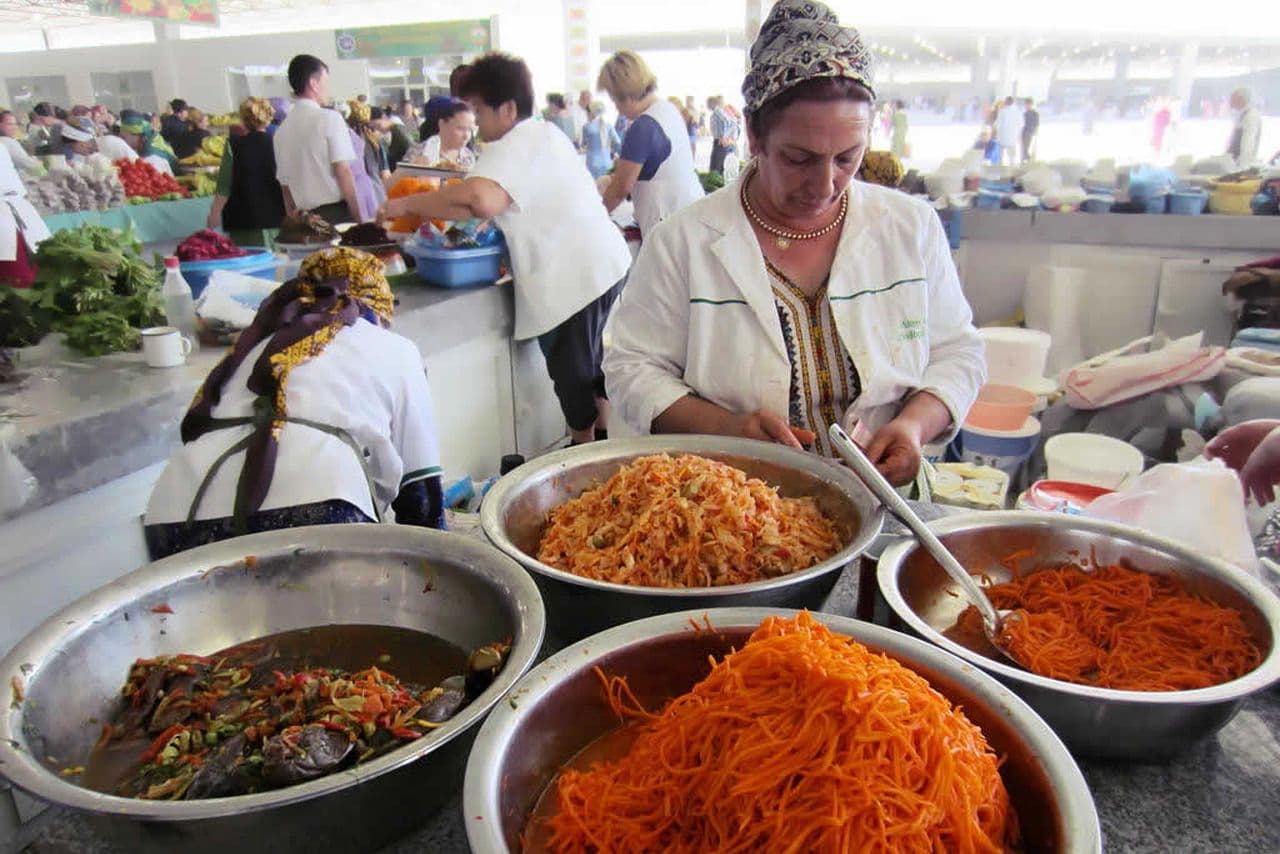
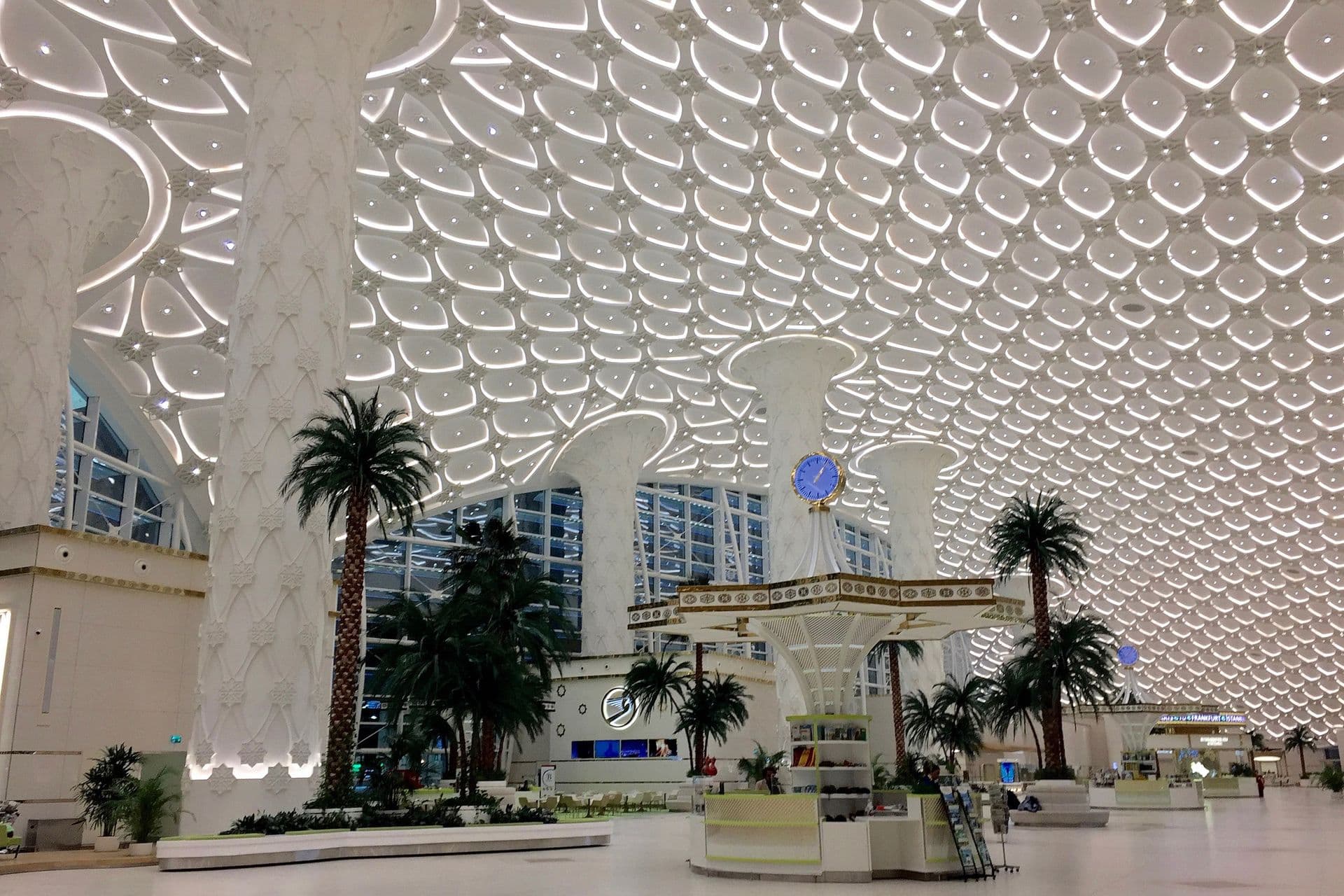
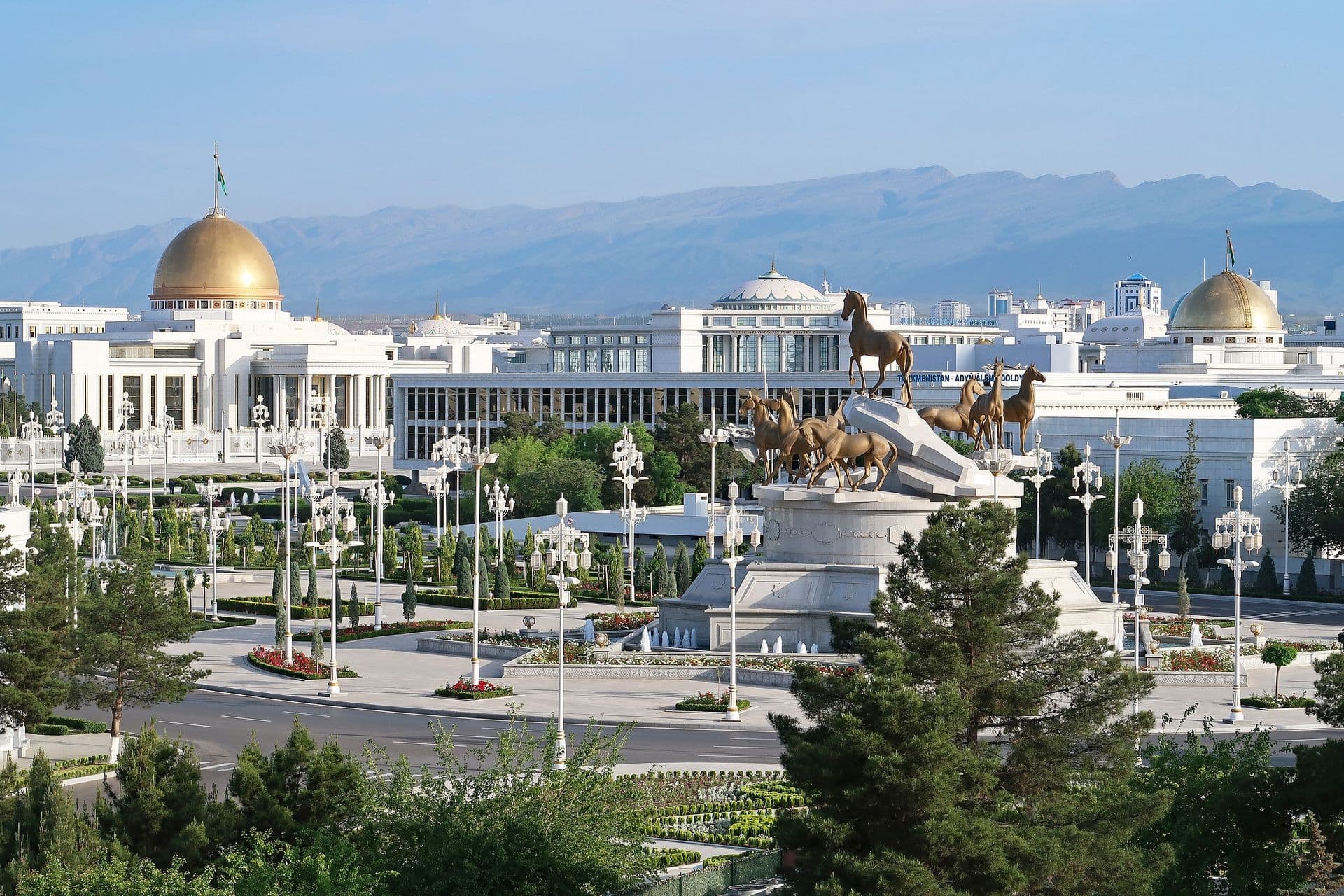
Ashgabat, the capital of Turkmenistan, is a mesmerizing blend of architectural grandeur, cultural richness and vibrant energy. Known as "The City of White Marble," its dazzling marble-clad buildings, golden domes and sweeping fountains hold a Guinness World Record for the highest density of white-marble structures on Earth. The city's name comes from Persian, often translated as "city of love" or "city of devotion." Though today's metropolis is strikingly modern, the area carries more than 2,000 years of history. The ancient Parthian fortress of Konjikala once stood here on a key Silk Road route; nearby lie the ruins of Nisa, a former Parthian royal capital. Earthquakes, including the catastrophic 1948 quake, repeatedly reshaped the city, and the present "White City" rose from ambitious reconstruction. Visitors can explore the National Museum of History with its half a million artifacts, the Carpet Museum displaying some of the world's largest hand-woven Turkmen carpets, and the Museum of Fine Arts. The Arch of Neutrality, inspired by a traditional Turkmen tripod, offers panoramic views over the gleaming skyline, while the lively bazaars overflow with textiles, handicrafts, spices and famously sweet Turkmen melons. Framed by the rugged Kopet Dag Mountains, Ashgabat also serves as a gateway to hiking trails and day trips to ancient Nisa and the underground thermal lake of Kow Ata. By night the city glows with illuminated monuments and fountains, making it one of Central Asia's most distinctive capitals.
Gallery